


Washington, Oct 17:
The United States has ended the policy allowing automatic extensions of employment authorisation documents (EADs) for several categories of foreign nationals, including spouses of H-1B visa holders, a move that could affect thousands of Indian professionals and their families.
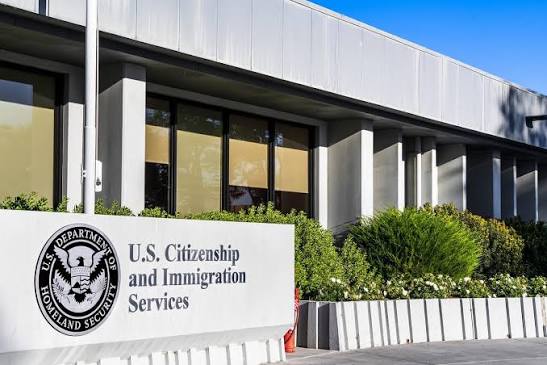
The US Citizenship and Immigration Services (USCIS) codified the final rule on Wednesday, following an interim measure issued on October 30 last year. The change removes the automatic extension that previously allowed eligible applicants to continue working while their employment authorisation renewal applications were being processed.
The automatic extension policy was introduced in May 2022 under the Joe Biden administration to reduce the impact of processing delays. It was subsequently reissued as a temporary measure in April 2024 and extended indefinitely in December that year. Eligible applicants could receive an extension of up to 540 days under the earlier provisions.
The revised rule covers several categories, including spouses of H-1B visa holders on H-4 status, adjustment-of-status applicants, asylum applicants, refugees, asylees and beneficiaries of Temporary Protected Status. Those whose employment authorisation expires before a renewal is approved could face a gap in their ability to work legally.
The development is particularly significant for Indian families in the United States, where many spouses of H-1B visa holders work in technology, healthcare, education and other professional sectors. Delays in renewal processing could force affected employees to stop working until their new documents are approved, potentially disrupting household finances and professional careers.
However, the change does not affect every category of foreign worker in the same way. Students applying for a STEM-related extension of employment authorisation continue to receive a 180-day automatic extension when they meet the applicable filing requirements. Spouses of individuals holding L and E category visas also retain work authorisation linked to their immigration status and generally do not require an EAD.
The administration has also proposed another change that could affect non-immigrant workers. Under the proposal, immigration officers would be expected to reassess certain visa-extension petitions independently rather than routinely relying on previous approvals. This could mean additional documentation, more requests for evidence, longer processing times and higher legal costs for employers and applicants.
The Department of Homeland Security has invited public comments on the proposal until November 13.
Former White House adviser and immigration attorney Ajay Jain Bhutoria criticised the decision to end the automatic extension, arguing that it could harm legal immigrants, H-4 spouses, healthcare workers and families dependent on their earnings.
The changes underline the growing uncertainty facing foreign professionals in the United States, particularly those whose employment and family finances depend on timely immigration approvals.