


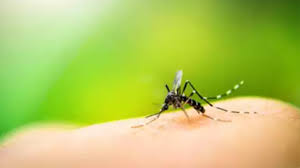
 Tamil Nadu is currently witnessing a worrying surge in dengue cases, with a significant increase in the number of people affected. According to the Minister of Public Health and Family Welfare, Ma. Subramanian, a total of 11,743 individuals have been diagnosed with dengue across the state so far this year. Alarmingly, 205 new cases were reported just the day before yesterday, signaling an escalating public health challenge.
The rise in dengue cases has become a major concern for health authorities in Tamil Nadu. The state’s tropical climate, coupled with the recent heavy rains, has created favorable conditions for the breeding of Aedes mosquitoes, which are responsible for transmitting the dengue virus. The increase in stagnant water due to the rains has provided an ideal environment for these mosquitoes to thrive, leading to the spike in infections.
In response to the rising cases, the Tamil Nadu government has ramped up its efforts to control the spread of dengue. The Health Department has intensified mosquito control activities, including fogging operations, distribution of mosquito nets, and public awareness campaigns to educate citizens on preventive measures.
Minister Ma. Subramanian emphasized the importance of community participation in combating the dengue outbreak. He urged residents to ensure that their surroundings are free from stagnant water and to cooperate with local health authorities in implementing mosquito control measures. “Public cooperation is crucial in controlling the spread of dengue,” the Minister stated, highlighting the role of individual responsibility in preventing the disease.
Hospitals across the state have been put on high alert to handle the influx of dengue patients. Special dengue wards have been set up in government hospitals, with additional medical staff and resources allocated to manage the situation. The government has also ensured that there is an adequate supply of essential medicines and medical supplies, including paracetamol and intravenous fluids, to treat patients effectively.
Doctors are advising people to seek medical attention immediately if they experience symptoms such as high fever, severe headache, pain behind the eyes, joint and muscle pain, and rash. Early diagnosis and treatment are critical in managing dengue and preventing severe complications, such as dengue hemorrhagic fever and dengue shock syndrome, which can be fatal.
The Tamil Nadu government is also focusing on increasing public awareness about dengue prevention. The Health Department is conducting door-to-door campaigns to educate people on how to protect themselves from mosquito bites. The public is being encouraged to use mosquito repellents, wear long-sleeved clothing, and keep their homes and surroundings clean.
Additionally, the government is urging citizens to avoid self-medication and to consult a doctor if they suspect they have dengue. Awareness programs are being broadcasted on television, radio, and social media to reach a wider audience and ensure that people are well-informed about the dangers of dengue and the steps they can take to protect themselves.
As dengue cases continue to rise in Tamil Nadu, the government is taking proactive steps to control the outbreak and ensure public safety. However, the success of these efforts depends heavily on public cooperation and adherence to preventive measures. By working together, the government and the people of Tamil Nadu can overcome this health crisis and prevent further spread of the disease.